Senoia New vs Historic Homes: Find Your Best Fit
May 14, 2026
May 14, 2026
Wondering whether a brand-new home or a historic property fits your life better in Senoia? It is a smart question, because in this market, the choice is usually less about finding a bargain and more about deciding which tradeoffs matter most to you. If you are drawn to Senoia’s charm but also want a home that supports your daily routine, this guide will help you compare character, upkeep, rules, pricing, and lifestyle so you can make a confident decision. Let’s dive in.
Senoia is not a one-note market. The city says most of town falls within the National Register historic district, and local planning calls for compatible infill around that historic core. That means your experience can vary a lot depending on whether you buy near downtown or in a newer subdivision.
The local price point also matters. Redfin reported a March 2026 median sale price of $541,950, while Zillow put the average home value at $507,728. In other words, Senoia is not a low-cost market where one option is automatically the budget path.
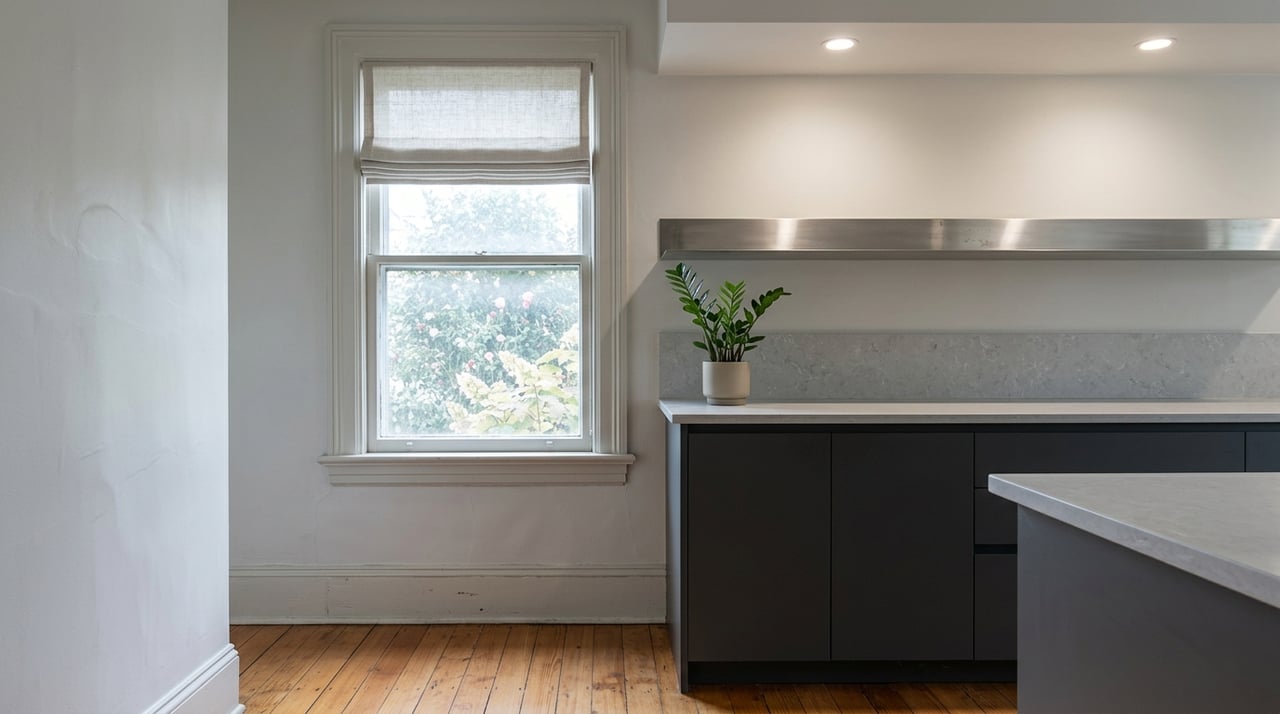
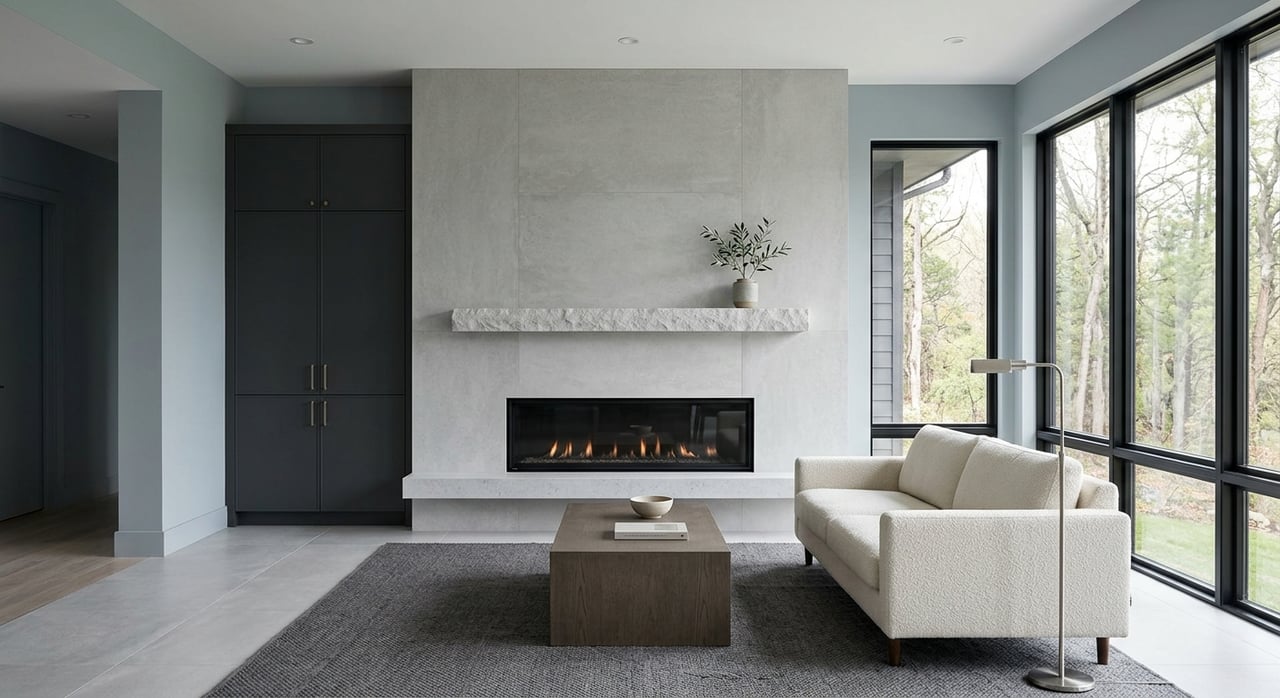
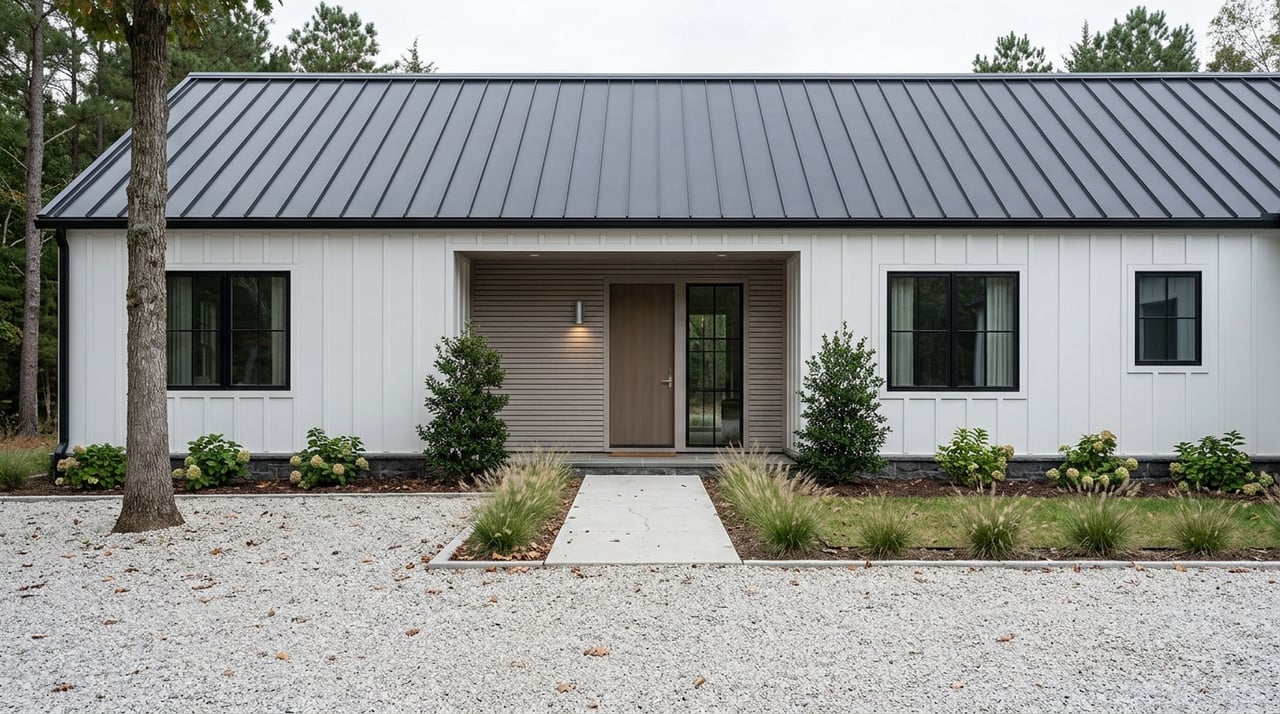
New construction in Senoia often appeals to buyers who want open-concept living, current finishes, and floor plans designed for how people live today. Local examples include communities like Heritage Pointe, Saddleridge, Stallings Farm North, and Grove Park, with pricing that ranges from the low $400,000s into the $800,000s depending on size and community.
Some of these neighborhoods also include amenities that shape the overall lifestyle. Heritage Pointe advertises a clubhouse, aquatic center, tennis courts, a playground, and smart-home technology. Saddleridge features one-acre homesites and farmhouse and craftsman styling, along with a $500 annual HOA fee.
One of the strongest reasons buyers choose new construction is predictability. Georgia requires new homes to meet statewide construction codes, including mandatory residential and energy-related codes. That does not guarantee a problem-free home, but it can reduce the chance of facing major replacement projects right after closing.
Energy use is another point in favor of newer homes. ENERGY STAR says certified new homes are at least 10% more energy efficient than homes built to code and average about 20% better, with third-party inspections and testing. For many buyers, that can mean a little more confidence around monthly utility costs and fewer surprises.
New does not mean perfect for everyone. Some buyers feel newer neighborhoods have less architectural variety than older homes, and landscaping may take time to mature. Community amenities can also come with HOA dues or neighborhood covenants that affect both cost and flexibility.
In Senoia, that tradeoff is real. Part of what you may be paying for is not just the house itself, but the broader neighborhood package, including amenities, lot style, and shared upkeep standards.
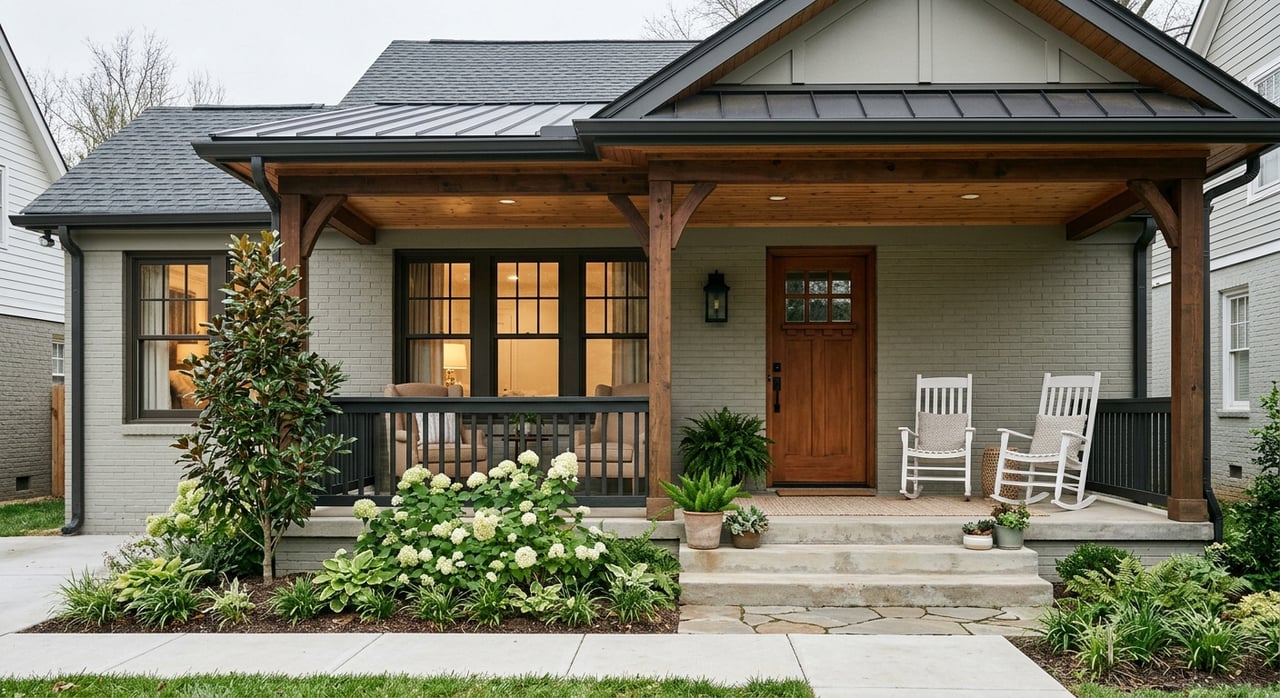
Historic and older homes in Senoia offer a very different experience. The city says downtown still includes structures dating to the 1840s, and much of the downtown architecture dates to the turn of the century. Preservation guidance also notes that almost every historic residence has a front porch, which helps explain the look and feel of the historic core.
That character often shows up in the details. Recent listing examples have included heart-pine floors, stained glass, wraparound porches, original wood ceilings, shiplap, and restored farmhouse features. If you want a home that feels distinctive the moment you walk in, older properties may stand out.
Historic homes are often tied to the streetscape that makes Senoia feel so recognizable. The city’s planning documents describe a historic pattern of narrow streets, 425-foot-long blocks, and a grid layout. For buyers who value being close to Main Street and enjoy a more established setting, that can be a major draw.
Lot shape and setting can also feel different from many new subdivisions. Some older-home examples in Senoia include larger or more distinctive parcels, which can add appeal if you want a property with a little more personality.
The tradeoff with older homes is that maintenance usually requires more attention. The U.S. Department of Energy notes that many older homes have less insulation than homes built today, and single-pane windows are common in older buildings. That can affect comfort, efficiency, and your long-term maintenance budget.
In Senoia’s historic areas, exterior changes may also involve city review. The city requires a Certificate of Appropriateness for material changes in designated historic areas, with review based on design, scale, building material, setback, and site features. That matters if you are thinking about replacing windows, changing porches, adding accessory structures, or making other visible exterior updates.
If you buy in a designated historic area, you should expect a more detailed process for certain exterior changes. Senoia’s preservation guidance emphasizes compatibility with the district and encourages repair rather than replacement for features like windows, porches, wood, and masonry.
That does not mean improvements are impossible. It does mean your timeline, design choices, and project costs may look different than they would in a newer subdivision.
Some buyers focus on the house and overlook site restrictions until later. In Senoia’s historic district, front-yard fences may not exceed four feet, rear and side fences may not exceed six feet, and chain link or wire fences are not considered appropriate.
Accessory structures also need to fit the historic setting. If your future plans include a detached building, a major fence project, or exterior redesigns, it is wise to factor those rules into your decision early.
One interesting thing about Senoia is that new construction does not always feel disconnected from the town’s identity. Local builders often market farmhouse and craftsman styles that fit more naturally with the area than a completely generic suburban look might.
Heritage Pointe, for example, is described as modern living in the heart of historic Senoia. That blending of newer floor plans with a more Senoia-friendly style gives buyers more options than they might expect.
Senoia also offers homes that blend the best of both worlds. Zillow examples at Gin Property in Historic Senoia include new brownstones, single-family homes, condos, and live-work residences within walking distance of Main Street. Current examples ranged from about $525,000 cottages to $799,900 townhomes.
That kind of inventory can work well if you want newer construction but still want easier access to downtown Senoia. For some buyers, it creates a middle path between full historic-home ownership and a newer neighborhood farther from the center of town.
A newer home may be the better fit if your priorities include:
This path often works well if your schedule is full and you want a home that feels move-in ready from day one.
A historic or older home may be the better fit if you value:
This path usually makes the most sense if you are comfortable budgeting for maintenance and understanding local review requirements for exterior work.
In a market like Senoia, resale is less about whether new or historic is universally better and more about which buyer you are likely to attract later. The local market baseline remains above $500,000 in recent Redfin and Zillow snapshots, and both new-construction communities and older landmark homes operate within that same broad pricing environment.
A better resale question is this: what version of Senoia living does the home deliver? Some buyers will pay for efficiency, amenities, and modern plans. Others will be drawn to walkable streetscapes, porches, and the distinct feel of the historic core.
In Senoia, small details can change the picture quickly. A historic home may come with extra review steps for exterior changes, while a newer community may have fees, amenities, and neighborhood rules that affect value differently. On paper, both can look appealing, but the right choice depends on how you want to live in the home and what kind of upkeep you are comfortable taking on.
That is where local perspective matters. When you understand not just the square footage and price, but also the city rules, neighborhood setup, and likely buyer tradeoffs, it becomes much easier to choose with confidence.
If you are weighing new construction against a historic home in Senoia, the team at RE/MAX Concierge can help you compare options with a clear, local lens and concierge-level guidance.
Stay up to date on the latest real estate trends.
Want an agent who'll really listen to what you want in a home? Need an agent who knows how to effectively market your home so it sells? Give me a call! I'm eager to help and would love to talk to you.