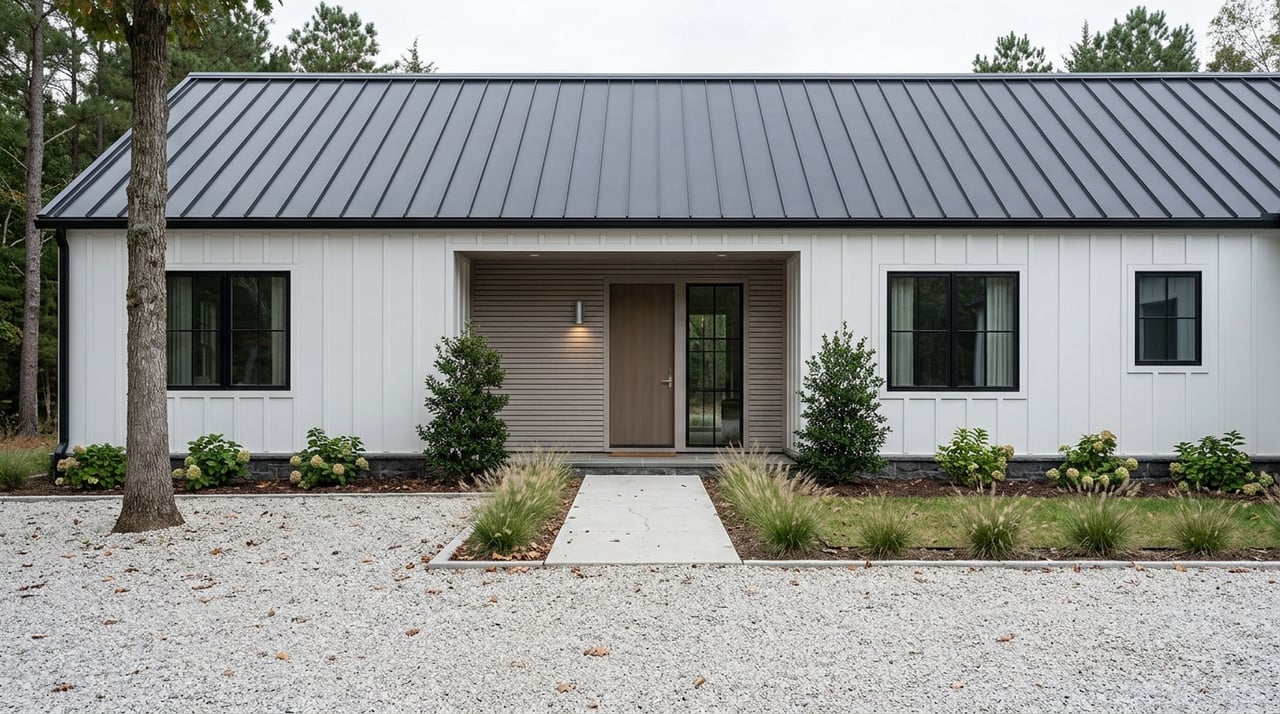
Living in Chattahoochee Hills GA: What Daily Life Feels Like
June 11, 2026
June 11, 2026
If you are wondering whether Chattahoochee Hills feels like a suburb, a small town, or a country escape, the honest answer is that it blends parts of all three. You may be looking for more space, a calmer daily pace, or a setting that feels connected to the land without being completely cut off from Atlanta. This guide will help you picture what day-to-day life is really like here, from the roads and routines to the community rhythm and housing tradeoffs. Let’s dive in.
Chattahoochee Hills stands apart because its land use is intentionally shaped to stay that way. According to the city, its zoning framework is designed to keep 70% of the land rural, agricultural, or natural, while directing growth into clustered hamlets and villages.
That planning approach shows up in how the area feels when you drive through it. Instead of long stretches of dense retail or tightly packed subdivisions, you are more likely to notice open land, farms, pastures, and wooded areas. The result is a setting that feels spacious and quieter than many parts of metro Atlanta.
The numbers support that sense of space. Census Reporter’s 2024 ACS profile estimates 3,782 residents across 58.3 square miles, or about 64.9 people per square mile. In practical terms, everyday life here often feels less crowded and more spread out.
One of the biggest lifestyle shifts in Chattahoochee Hills is the pace. A city newsletter describes the area as a rural oasis with a 25-mile scenic byway, five parks, and about 35 miles of gravel roads that attract cyclists.
That matters because your routine is shaped by the landscape around you. Here, scenic drives, trail access, and time outdoors are not occasional extras. They are part of how many people experience daily life.
If you are moving from a busier suburb or intown neighborhood, this slower rhythm can feel refreshing. You may spend less time around heavy commercial activity and more time noticing open views, tree cover, and the changing seasons.
In Chattahoochee Hills, outdoor access is not just a weekend feature. It is woven into the local lifestyle in a very visible way, especially around Cochran Mill Park.
The park includes 800 acres and 18 miles of sustainable trails shared by hikers, horseback riders, mountain bikers, and trail runners. It is one of the clearest examples of why people who value active, outdoor living are drawn to this area.
For many buyers, that means everyday life can include an early trail run, a weekend ride, or a quieter afternoon walk in a large natural setting. Bear Creek Nature Center, located on Cochran Mill Road, also adds to that environmental and outdoor focus through its connection to Cochran Mill Park.
Another part of the Chattahoochee Hills lifestyle is its connection to local food. Serenbe Farms is certified organic and distributes produce within 40 miles through its CSA, farmers market, and local restaurants.
That gives the area a practical and social connection to farm-grown food, not just an image of it. If you value seasonal produce and local sourcing, this can be a meaningful part of your routine.
The Serenbe Farmers Market adds an important weekly rhythm. It runs every Saturday from 9:00 a.m. to 1:00 p.m. and features growers, artisans, craft-makers, prepared foods, and live music.
That makes it more than a place to shop. It acts as a regular community touchpoint where you can run errands, spend time outdoors, and see familiar faces in one stop.
If you are used to living near a dense entertainment district, Chattahoochee Hills may feel different in a good way. The local calendar appears to revolve more around planned events, civic gatherings, and outdoor experiences than around a heavy concentration of commercial nightlife.
The city’s special-event rules cover festivals, craft fairs, concerts, holiday celebrations, parades, group activities, and educational tours. That tells you something important about everyday life here. Community activity is present, but it tends to show up through recurring gatherings rather than constant commercial bustle.
The city’s current news also highlights water quality, local food system planning, river recreation, and a community event tied to the RiverLands park master plan. Together, those topics reinforce that land stewardship and outdoor access are central to local civic life.
Chattahoochee Hills offers separation from Atlanta without being disconnected from it. The city places itself about 25 miles southwest of Atlanta, which means you can still reach the city while living in a setting that feels noticeably more rural.
That balance is part of the appeal for many buyers. You are close enough for work, airport access, or regional amenities, but far enough away that home can feel calmer and more private.
Cochran Mill Park is also described as just 20 miles southwest of Hartsfield-Jackson Atlanta airport. For buyers who travel often or expect visiting family and friends, that relative access can be a meaningful advantage.
Lifestyle usually comes with a tradeoff, and here it often shows up in drive time. Census Reporter lists a mean commute time of 36.5 minutes, which is longer than the metro average.
For some people, that longer drive is worth it because of the space, privacy, and landscape. For others, it may require a clear-eyed look at work schedules, school drop-offs, airport trips, or how often they want to be in more built-up areas.
This is one of the most important questions to think through if you are considering a move. Chattahoochee Hills can offer a very distinct daily experience, but it helps to be honest about how that experience fits your routine.
The available data gives some clues about the kind of market Chattahoochee Hills attracts. Census Reporter’s 2024 ACS profile shows a median household income of $111,792, a median owner-occupied home value of $397,000, and 51.5% of adults with a bachelor’s degree or higher.
Those figures suggest a market with many established buyers who may be looking for a more intentional living environment. In real life, that can mean interest in homes with more land, privacy, or a stronger connection to outdoor amenities and lifestyle features.
For some buyers, the draw is a home that feels removed from noise and congestion. For others, it is the chance to find a property that supports a specific way of living, whether that means room to spread out, easy trail access, or a setting that feels more grounded in the landscape.
So what does a normal week actually feel like in Chattahoochee Hills? In many ways, it feels calmer, more intentional, and more connected to place than life in a denser suburb.
You may spend more time driving scenic roads and less time hopping between big retail centers. You may start to plan around outdoor routines, weekly market visits, or community events that bring people together at specific times instead of every night of the week.
That does not make the area better for everyone. It makes it a strong fit for people who value space, natural surroundings, and a slower rhythm, and who are comfortable trading some convenience for that experience.
Chattahoochee Hills can be especially appealing if you are looking for:
It may be less ideal if your top priority is being close to dense shopping, short commutes, or constant commercial activity. The lifestyle here tends to reward buyers who want room to breathe and are comfortable with a more spread-out daily routine.
If you are exploring Chattahoochee Hills, seeing the area in person can make a big difference. A local perspective can help you compare the feel of different parts of the market, especially if you are balancing commute needs, acreage goals, or a relocation timeline. When you are ready for thoughtful guidance, RE/MAX Concierge can help you navigate the area with the local insight and responsive support that make a move feel much more manageable.
Stay up to date on the latest real estate trends.
Want an agent who'll really listen to what you want in a home? Need an agent who knows how to effectively market your home so it sells? Give me a call! I'm eager to help and would love to talk to you.